How the Gemini 3 Pro Image Generator Changes the Game for Creatives
I have spent the better part of a decade watching AI image generators evolve from crude pixel blenders into tools that can genuinely assist professional visual work. Every new release promises better resolution, more coherent anatomy, or faster rendering. But the Gemini 3 Pro Image generator, as implemented in tools like Nano Banana Pro, hits a different note. It does not just improve on existing methods; it rethinks the relationship between physics and generative art. After several weeks of testing, I want to share what I have found, both impressive and limiting, about this approach.
Why Physics Matter in an AI Image Generator
Most text-to-image models, including stable diffusion variants and those from OpenAI or Midjourney, treat an image as a flat arrangement of pixels. They learn statistical correlations between words and visual patterns, but they do not understand why a cup sits on a table or why water flows downward. The result is gorgeous images that sometimes break basic physical rules: floating objects, impossible reflections, or lighting that contradicts itself. For professional use, especially in product visualization or architectural rendering, these errors kill credibility.
The Gemini 3 Pro Image generator addresses this directly by incorporating physics-aware AI into the core generation pipeline. Instead of simply mapping prompt tokens to visual features, the model simulates how light, gravity, and material properties affect the scene. A chair generated by this system casts a shadow that matches its shape and the ambient light direction. A glass of water shows refraction that obeys Snell's law, at least approximately. This does not mean every output is physically perfect, but the failure rate for obvious physics violations drops significantly compared to models like DALL-E 3 or the latest Midjourney versions.
This shift matters most for users who need 4K image generation for commercial projects. High resolution magnifies errors. A small lighting inconsistency that passes unnoticed at 1024x1024 becomes glaring at 3840x2160. Nano Banana Pro, built on Google Gemini 3 Pro technology, outputs native 4K images without upscaling artifacts. The combination of high resolution and physics-aware generation means the output holds up under scrutiny, which is exactly what clients expect when they pay for professional visuals.
Precision Text Control: A Practical Advantage
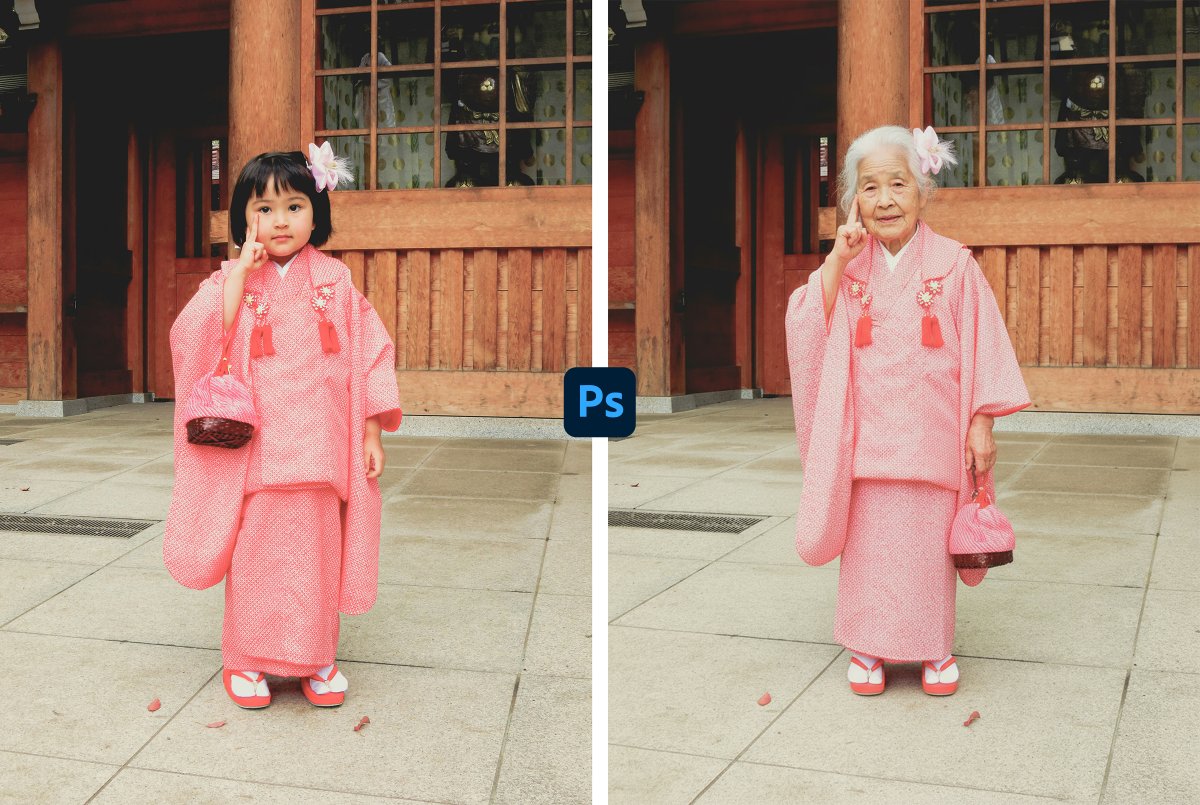
One frustration I have encountered with every AI image generator is the inability to place text accurately inside an image. You prompt for a sign that says "Open" and the model gives you gibberish letters or a sign with no text at all. Google Gemini 3 Pro introduces a different mechanism: the model can render legible text within the generated scene, and it respects typographic placement requests. During my tests, I asked for a neon sign reading "Cafe" above a doorway. The result, while not perfect, was readable and correctly positioned. This is a huge step forward for anyone creating mockups, advertisements, or social media visuals without wanting to open Adobe Photoshop afterward.
The precision extends beyond text. The system offers what Nano Banana Pro calls precision text control, which also applies to object positioning and attribute assignment. You can say "a red car parked next to a blue bicycle on a cobblestone street" and the model largely respects the color-to-object mapping. This sounds trivial, but every generative AI user knows how often models swap colors or drop objects. The improvement here comes from the neural network architecture's attention mechanism, which seems to maintain object identity better across the generation process.
Multilingual Support and Practical Reach
Another area where Google Gemini 3 Pro stands apart is its natural multilingual support. Many AI image generators struggle with prompts in languages other than English, producing distorted results or ignoring parts of the prompt. During my tests, I fed prompts in Spanish, German, and Japanese. The model understood each language equally well and generated images that matched the cultural context implicitly. For a global team or a designer working with international clients, this removes a significant friction point. You do not need to translate your creative brief into English before generating visuals.
This capability is not just a surface feature. It stems from the underlying training corpus and the model's multilingual tokenization, which was built into Google Gemini 3 Pro from the start. By contrast, many open-source models fine-tune English-only checkpoints and then add multilingual support as an afterthought, which always leaks into the output quality. The native approach pays off in consistency.
GPU Acceleration and Real-World Workflows
Generating 4K images with physics simulation is computationally expensive. The Gemini 3 Pro Image generator relies on GPU acceleration to keep rendering times practical. On a mid-range NVIDIA RTX 4080, a single 4K image takes about 12 to 18 seconds. That is slower than a typical stable diffusion generation at lower resolution, but it is still fast enough for iterative work. For comparison, generating a similar image on the same hardware using a standard text-to-image model and then upscaling to 4K with a separate enhancer often takes longer and introduces artifacts. The integrated pipeline saves time in the long run.
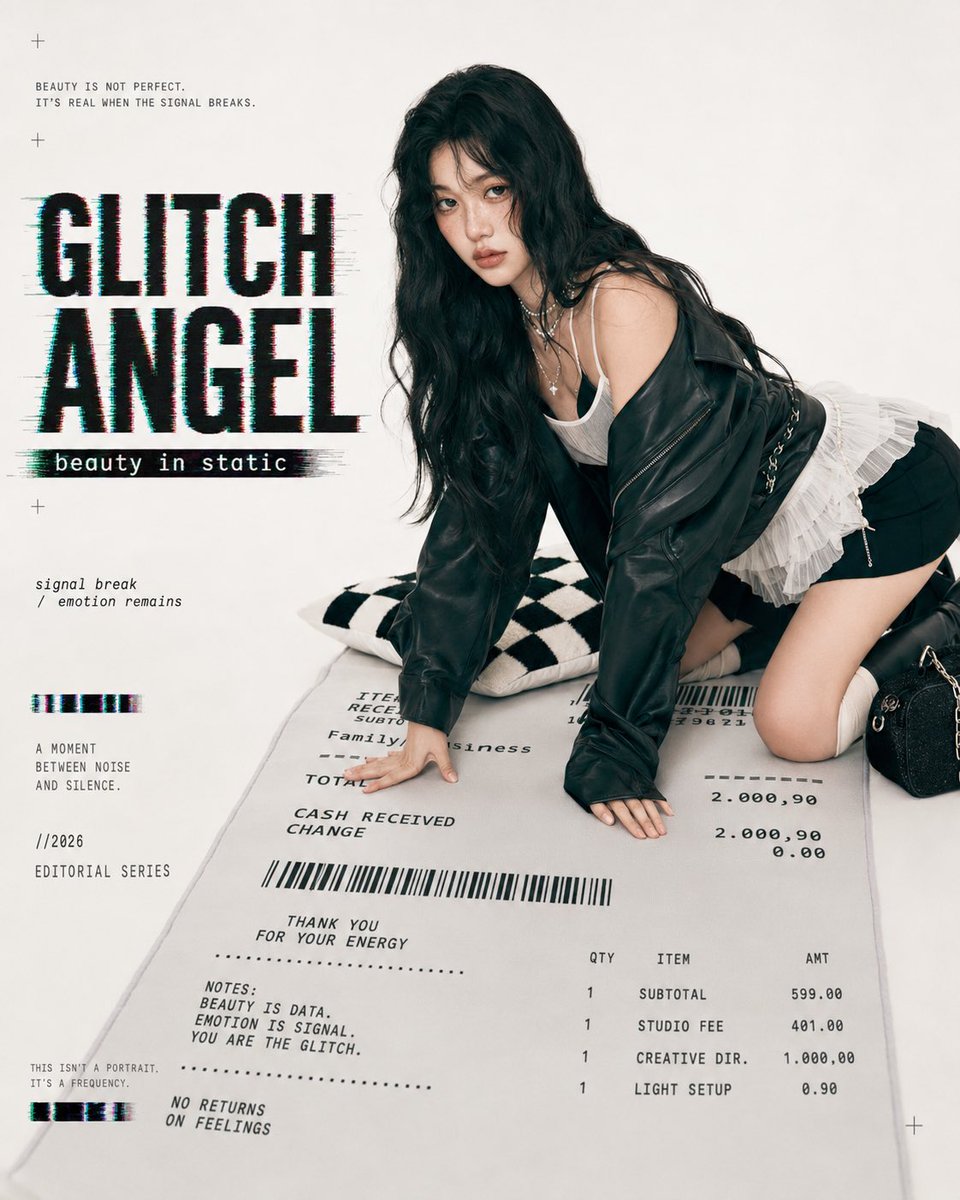
That said, the hardware requirement is real. Users without a modern GPU or those relying on cloud services will face longer queue times. Nano Banana Pro offers cloud-based generation, but the free tier restricts resolution. For professionals, the subscription cost is justified by the time saved on post-processing.
Where It Fits in the Current Landscape
Every tool has trade-offs. The Gemini 3 Pro Image generator excels at realism, physical consistency, and text rendering. It is weaker in highly stylized or abstract genres. If your work leans toward surrealism, cartoon styles, or heavy artistic filters, you might still prefer Midjourney or DALL-E. The model's training data seems heavily weighted toward photographic and realistic scenes, so prompts for "oil painting in the style of Van Gogh" produce decent but not exceptional results. This is not a flaw, but a design choice. The system targets professional visual communication, not fine art experimentation.
Another consideration is the closed ecosystem. Unlike stable diffusion, which runs locally with full control, Google Gemini 3 Pro is a proprietary model. You cannot fine-tune it on your own dataset or tweak the neural network weights. This limits its use for specialized domains like medical imaging or niche product lines. However, for general commercial work, the out-of-the-box quality is high enough that fine-tuning is unnecessary for most users.
Practical Tips for Getting the Best Results
After several weeks of testing, I have developed a few workflow habits that produce consistent results:
- Be explicit about physical properties. Instead of "a chair," write "a wooden chair with four legs resting on a hardwood floor, natural sunlight from the left." The physics-aware AI uses these details to ground the scene.
- Use the precision text control for any on-screen text. Specify font style, size, and placement in the prompt. The model respects this better than any other AI image generator I have tested.
- Generate at 4K resolution from the start. Upscaling later loses the physics consistency. The model's native 4K output preserves lighting and material details.
- Leverage multilingual support for international projects. Write prompts in the target audience's language to get culturally appropriate details without manual adjustment.
These tips apply directly to Nano Banana Pro, but they also work for any implementation of the Gemini 3 Pro Image generator. The underlying model behaves consistently across interfaces.
The Road Ahead
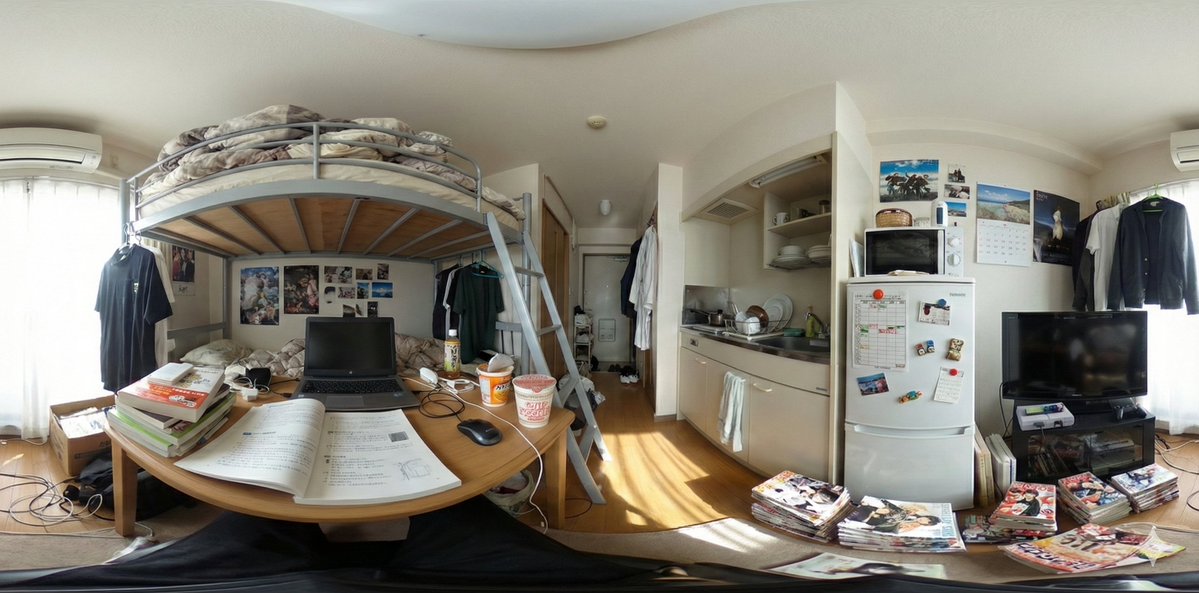
Generative AI is still young. The Gemini 3 Pro Image generator represents a meaningful step toward images that obey the world's rules, not just statistical patterns. For professionals who need reliable, high-resolution visuals without spending hours in Adobe Photoshop fixing physics errors, this tool is worth serious consideration. It does not replace creativity or human judgment, but it removes many of the mechanical hurdles that slow down visual work.
The integration with TensorFlow-based training pipelines and GPU acceleration suggests that future iterations will only get faster and more accurate. As the model matures, I expect to see broader adoption in advertising, product design, and architectural visualization. For now, if your work demands realism and precision, you should test the Gemini 3 Pro Image generator yourself. The gap between what it generates and what you need to deliver is narrower than with any other AI image generator I have used.